Our mission is to defend and promote Education in Human Rights, always fostering dialogue.
Our dream is to be part of a Brazil with social justice, free from prejudice and discrimination, where people — with all their differences — are respected, celebrated, and live with dignity.
We pursue this by engaging politically in the field of Human Rights Education and promoting educational initiatives on the topic.
A decade
We are four years away from 2030 — the deadline for UN member states to achieve the 17 Sustainable Development Goals (SDGs).
Proposed in 2015, the SDGs form a global pact that brings together human and planetary well-being in pursuit of a future where no one is left behind.
The Aurora Institute is committed to this agenda and to the Decade of Action, a global movement accelerating progress toward the SDGs. Our work is guided by four of the 17 SDGs, as well as by the principles of Brazil’s National Plan for Education in Human Rights.
Explore the themes
that guide our work.
SDG 04
Quality Education
SDG 05
Gender Equality
SDG 10
Reduced Inequalities
SDG 16
Culture of Peace and Justice
Our
2017
Foundation
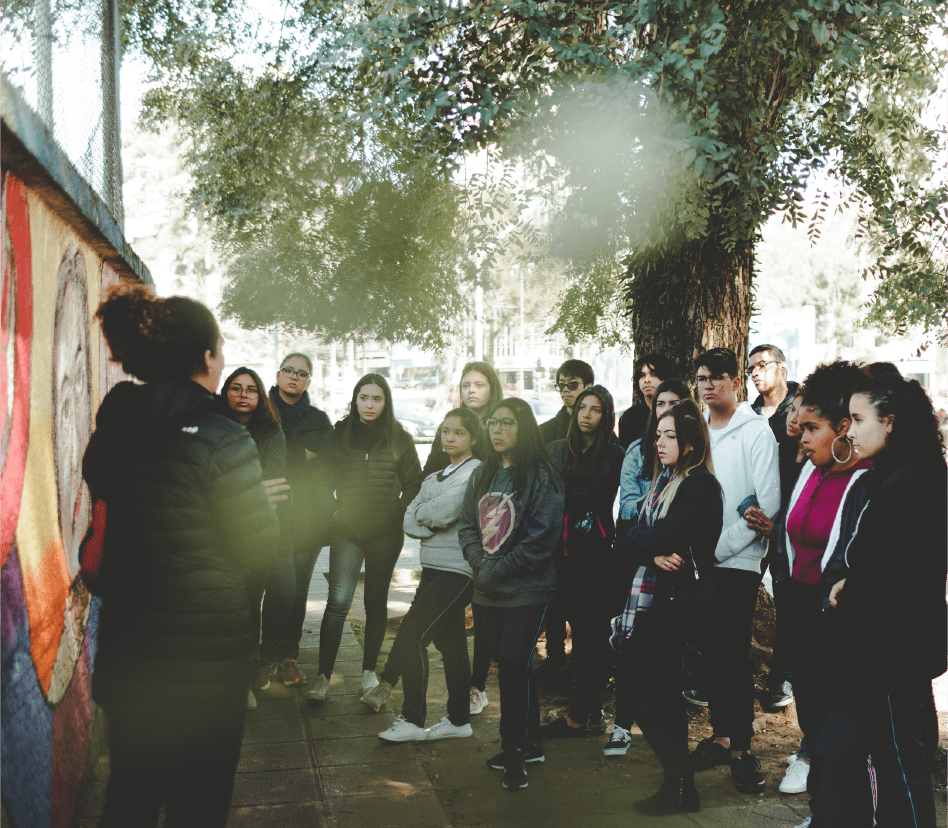
“I See Flowers” in socio-educational settings
In 2017, we began implementing the “I See Flowers” project with girls in the socio-educational system. This experience led to the creation of the travelling multi-art installation Five Times Me, first exhibited at Teatro Guaíra.
By the end of that year, the Aurora Institute incorporated previously independent projects and began designing new initiatives — marking the start of its formalization and professionalization.
Before becoming an institute with real impact, Aurora was a project — and before that, a dream.
It all began in 2015 with an informal group through the “I See Flowers” project, engaging incarcerated women in conversations about self-esteem, autonomy, life perspectives, and violence. Recognition from universities across Brazil and public institutions in the state of Paraná enabled us to expand our reach and deepen our work.

2018
Rooting
Structure and achievements
We began the year with funding from Fundo Elas and Instituto Avon, after being selected as one of 13 organizations out of more than 600 nationwide in the Fale Sem Medo call.
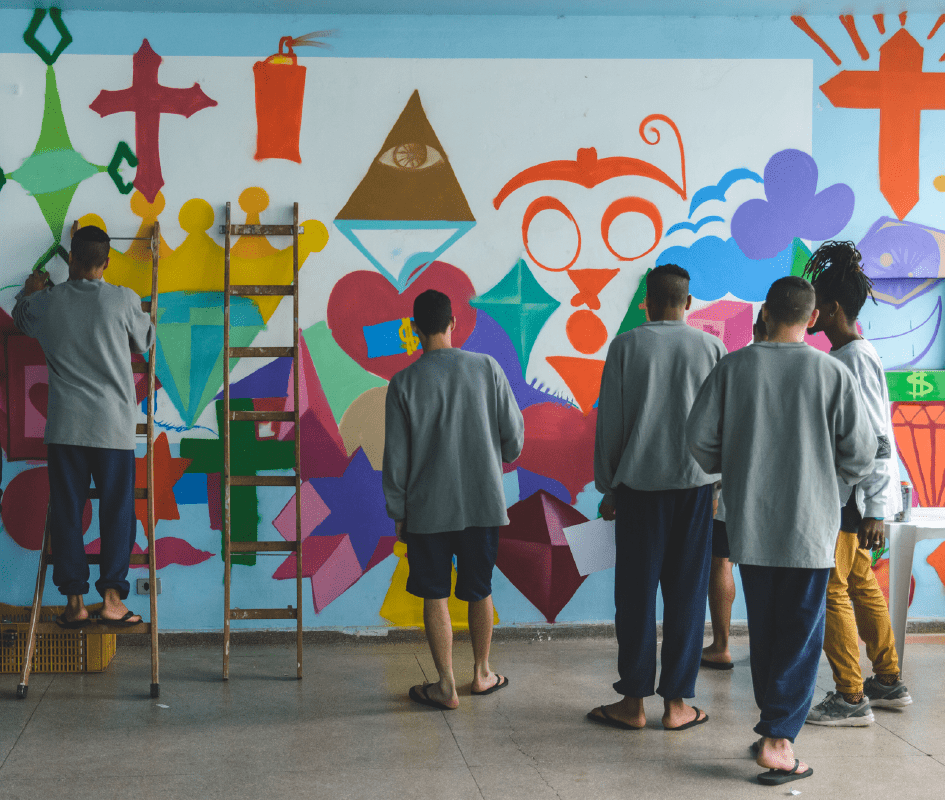
To formalize our operations, we established our CNPJ (legal registration). As we expanded our reach, we launched Men Who We Are, a project for boys in the socio-educational system.
We closed the year as one of the 12 finalists of the 2018 Social Entrepreneurship Legacy Award, reinforcing Aurora’s growing impact and recognition.
2019
Growth
More people reached, more projects, and a home of our own.
In 2019, we reached over 3,000 people through projects in schools and socio-educational centers, conversation circles, film screenings, workshops, and lectures for public servants, teachers, students, and the general public. It was also the first year of the Aurora Book Club, a traveling project that explores human rights through literature. Another major milestone was the opening of our physical headquarters at Casa Aberta, shared with Trópico and DePropósito, organizations dedicated to social causes.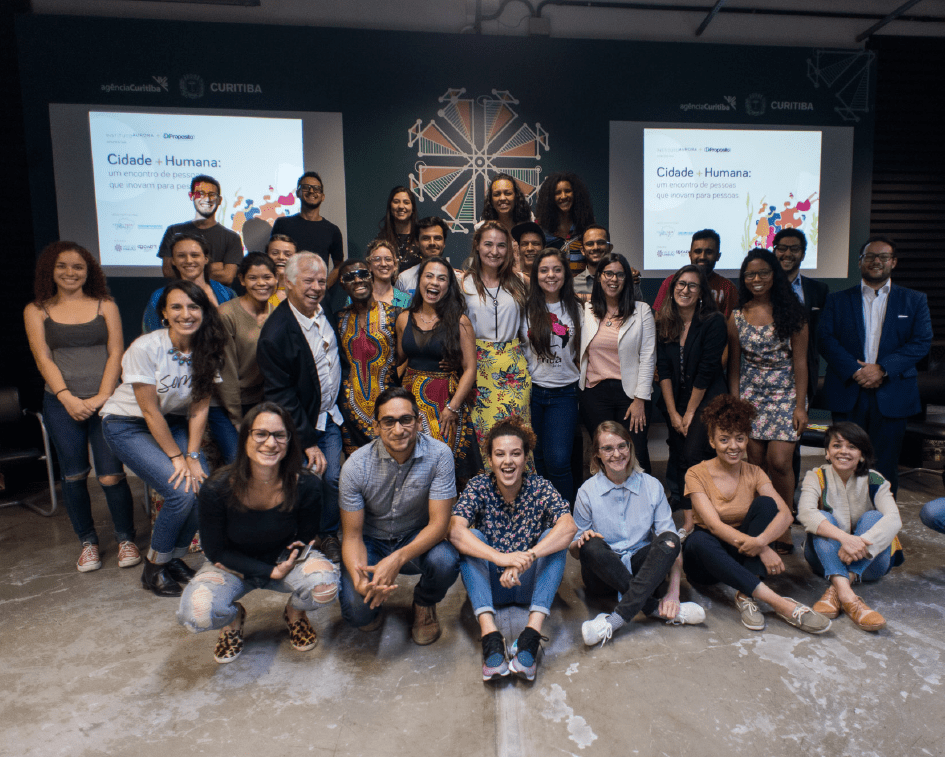
2020
Adaption
Pandemic challenges and the shift to virtual spaces.
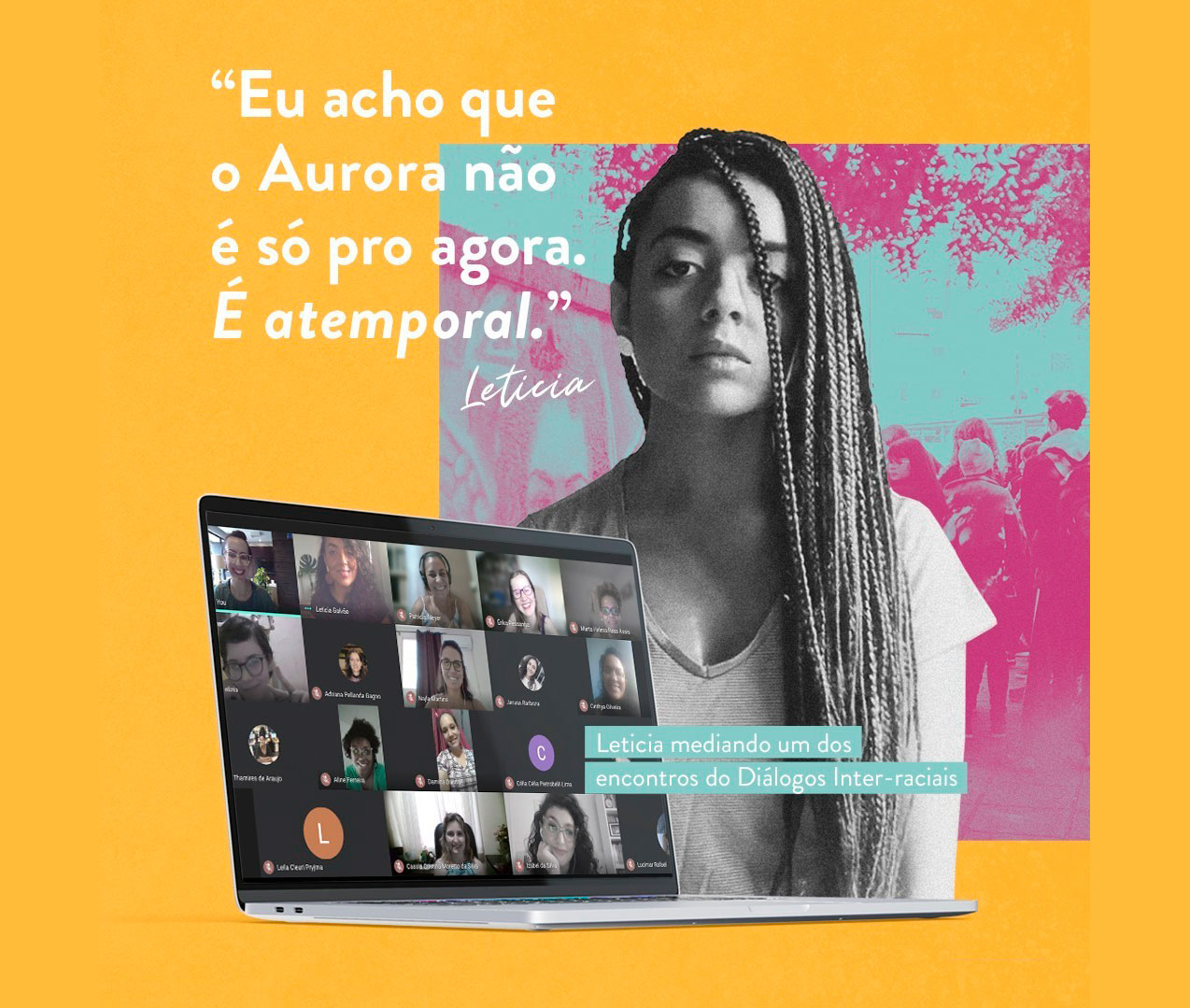
The COVID-19 pandemic posed a major challenge: rethinking dialogue and connection without in-person interaction. We moved our circles and discussions online and expanded our reach to other states, impacting more than 2,000 people across 66 activities.
That year, our Advisory and Fiscal Councils were also formally established, strengthening our governance structure.
2021
Maturity
Acting with greater confidence and reach
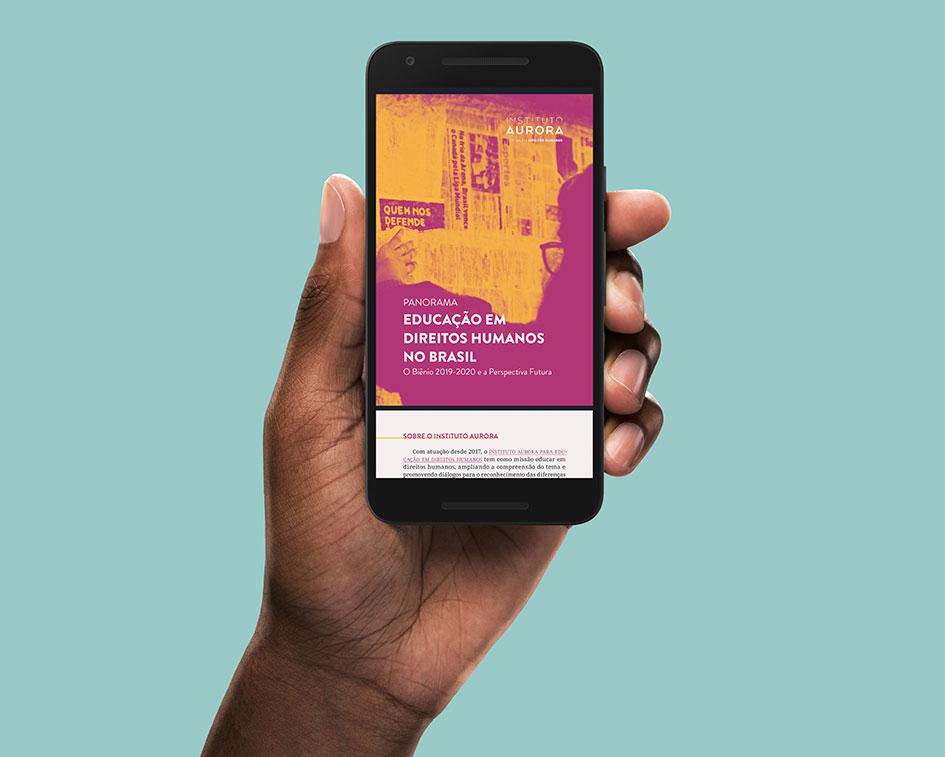
In 2021, we reached our largest audience since the Institute’s creation. We published our first major research report, Panorama of Human Rights Education in Brazil: 2019–2020, and launched Biblioteca Mais Plural, a national project spanning 11 states.
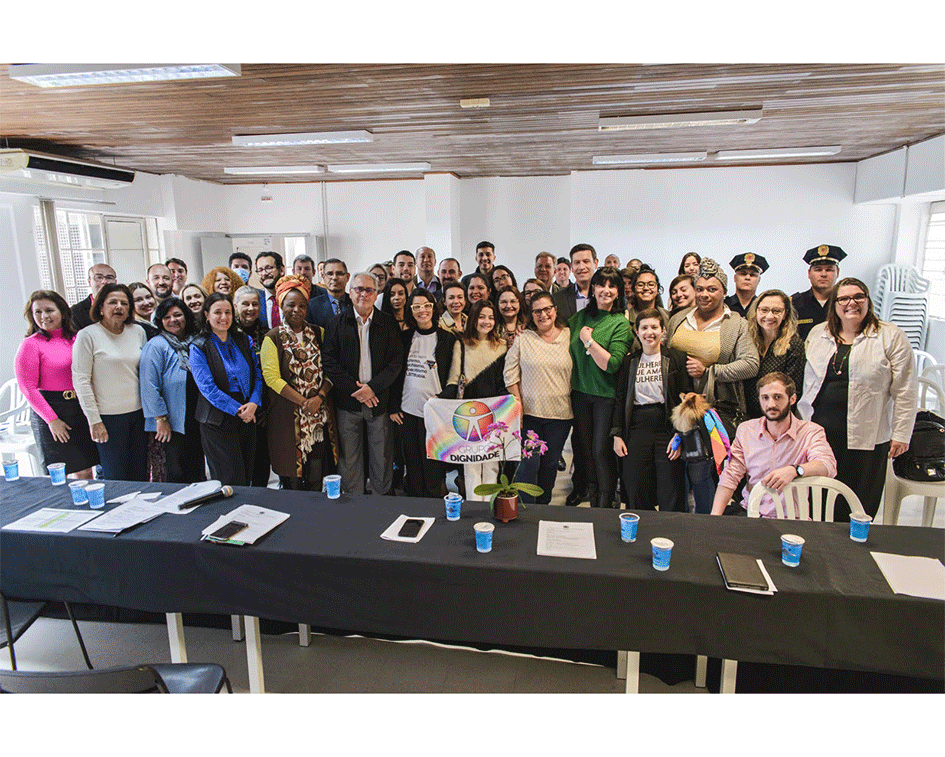
Through partnerships with civil society organizations and public institutions, we organized our first large-scale knowledge-sharing event on human rights education:
Human Rights Education in Motion — Meetings on Educommunication, Technology, and Bioethics.
2022
Recognition
Consolidation of practices and spaces.
During a highly polarized election year, we engaged over 500 young people in conversations about responsible voting.
Our Panorama research expanded with the launch of an interactive digital platform, broadening public access to data on Human Rights Education. Our work also received national media coverage, reaching members of Brazil’s presidential transition team.
That same year, we joined the Brazilian Network for Human Rights Education and became a full member of Curitiba’s Municipal Human Rights Commission, earning the highest number of votes among participating organizations.
2023
New Horizons
Local, regional, national, and international dialogue
In 2023, we celebrated five years of formalization, marking a new phase of expansion and influence.
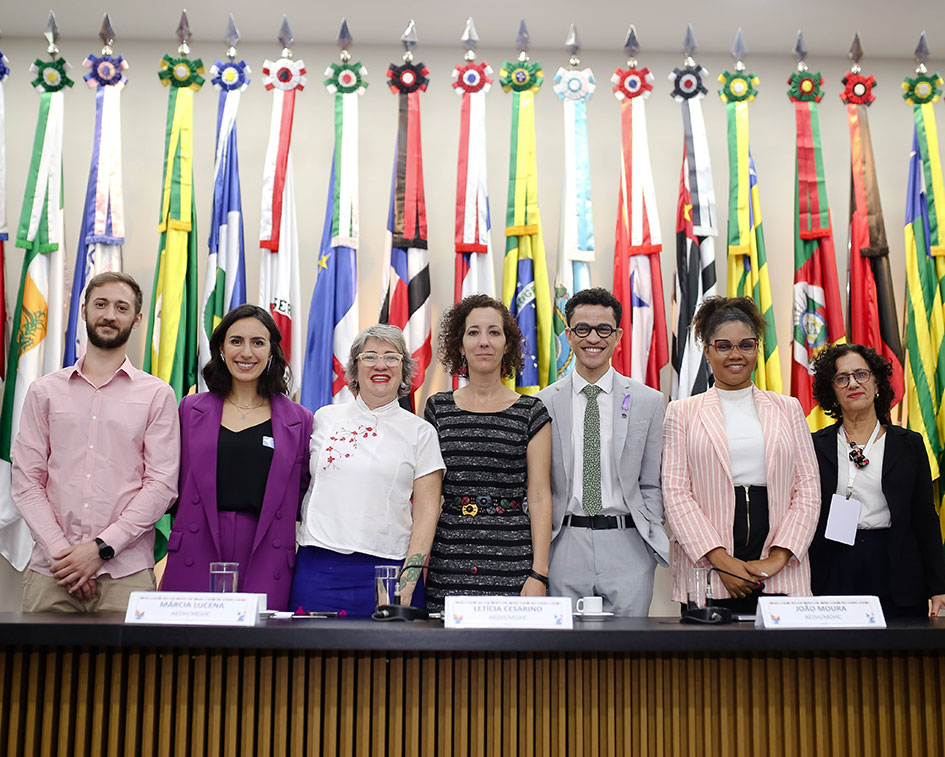
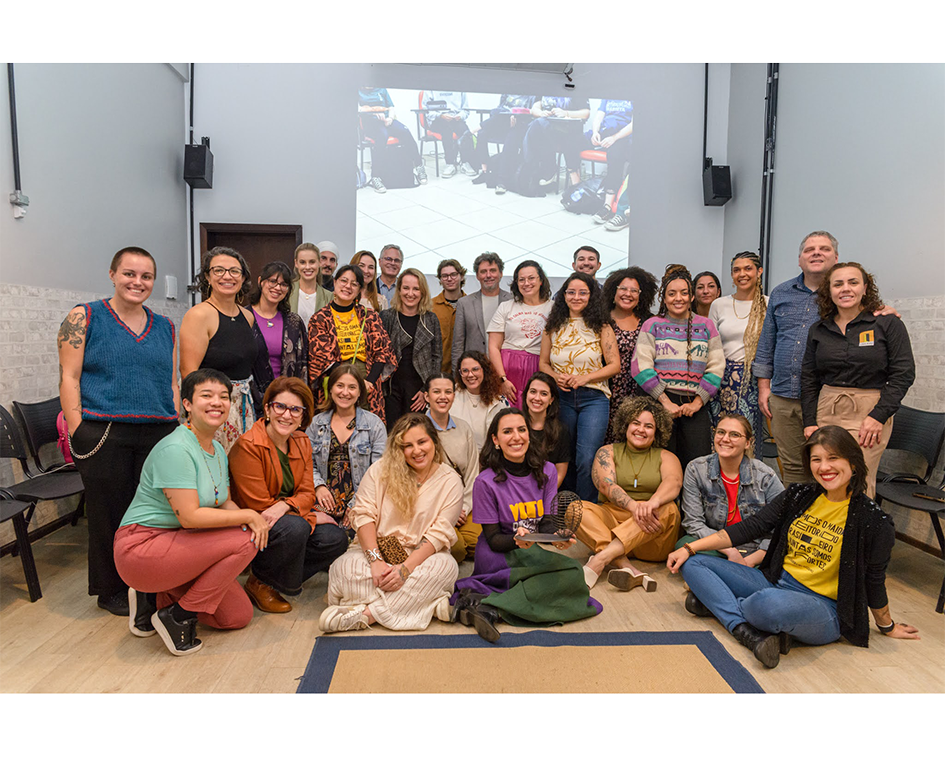
Our achievements included meetings with Brazil’s Ministry of Human Rights and Citizenship, participation in Mercosur’s High-Level Meetings on Human Rights, advocacy with the UN Special Rapporteur on the Right to Education, attendance at the 54th Session of the UN Human Rights Council, and participation in the 74th session of the UN Committee on Economic, Social, and Cultural Rights.
We were also invited to join the opening panel of the first national Human Rights and Democracy Education event organized by the current government and to become part of the National Commission for Human Rights Education Policies at the Ministry of Education.
2024
Refinement
Expanding impact and international recognition.
In 2024, we delivered our four largest projects — My Vote, Your Vote, Our Power, (Re)connect, Interracial Dialogues, and Panorama of Human Rights Education in Brazil — further refining their scope and expanding their impact.
Our advocacy and social participation continued at the local, national, and international levels, strengthening Aurora’s presence in policy, education, and civil society spaces.
A major milestone: My Vote, Your Vote, Our Power received the 2024 Innovation for Democracy Award from the World Forum for Democracy (Council of Europe) — becoming the only Brazilian organization selected among 39 initiatives worldwide.
Who Makes Aurora Happen?
Meet the people behind the Aurora Institute.

Michele Bravos
Founder and Executive Director
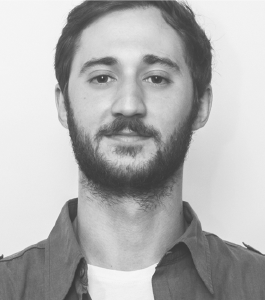
André Bakker
Research Manager and Human Rights Education Specialist

Thais B. Gomes
Educational Practices and Research Consultants

Gabriela Assad
Project Assistants
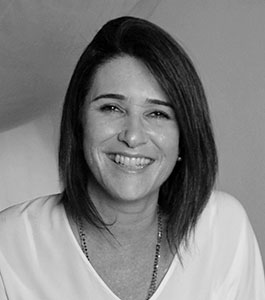
Fernanda Andreazza
Fiscal Council Members
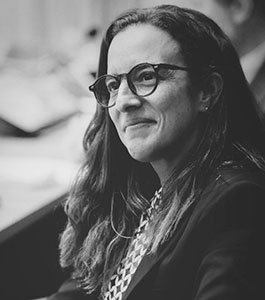
Fernanda Lapa
Advisory Council Members
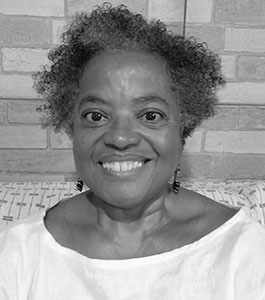
Maria da Consolação Lucinda
Advisory Council Members
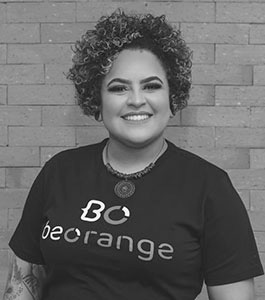
Myle Pontes
Fiscal Council Members
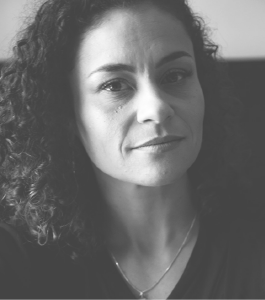
Patrícia Meyer
Advisory Council Member

Rafize Santos
Advisory Council Member
Management 2018-2023
Directors
Executive Director: Michele Bravos
Deputy Director: Fernanda Celano (resigned in 2020)
Advisory Council
(2020-2023)
Jucimeri Silveira
Patricia Meyer
Rafize Santos
Fiscal Council
(2020-2023)
Ariane Santos
Geovana Conti
Rosemary Susuki
Our supporters (2018 – present)
Our Partners